This came out a few years back, but still gives me a chill.
So I’m sitting at work (home) this past week and I look out the window and see “this” (aka the picture below). How f***ing awesome is that. No photoshop. No preconceived photo shoot; just me looking out my window as seeing a “two toned” car in front of a tree. Just makes you love life’s little surprises.
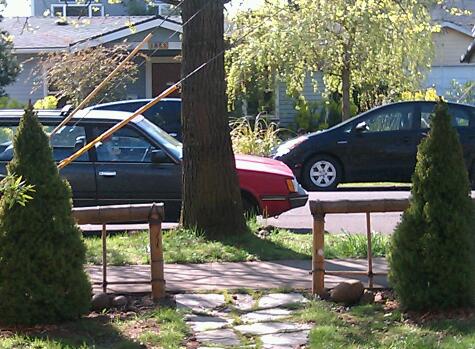
Tommy Two Toned
For quite some time the idea of building my own wheels has intrigued me. There just seems to be this mystical perception of wheel building. That you’d have to be a skilled and train professional to become a wheel builder and that somehow anyone who knows how to build a wheel was born with the gift and knowhow. Simply put, it’s seems to be an unobtainable goal for most bike enthusiasts. Naturally, I felt determined to overcome this perception and delve into wheel building myself. I also love bikes partly due to how sustainable they are. Not in the eco-friendly, save the planet sort of sustainability — although they’ve definitely got that going for them as well — but I’m talking about sustainability in the sense of basic independence. I love that I can get on a bike and ride free of charge and when something goes wrong I’m able to fix it myself. Aside from running into a local bike shop for a new intertube or the like, I don’t need to depend on anyone but myself. And as I’ve mentioned in earlier posts, I’m building up my Long Haul Trucker with the goal of doing everything myself; and of course, this includes wheels.
I’m using these wheels for loaded Touring and so I wanted something pretty tough. I may have got a little overboard, but from all the research I’ve done, it seems that when it comes to touring, going overboard is rarely a bad thing. And since the most common issues people run into is with their rear wheel, I wanted to have something pretty tough. After researching, I decided to go with Mavic A719 rims and Shimano’s Deore XT hubs. The decision for the hubs was largely based on availability. Generally speaking, a rear hub with 135mm spacing (a standard for mountain bikes) that isn’t fitted for disc brakes can be hard to find. Disc brakes have become a norm for mountain bikes and so there are limited options when it comes to non-disc 135mm rear hubs, or so I found. It would have been great to fit the bike with disc brakes, but since the LHT frame isn’t built for disc-brakes I didn’t want to risk the added stress to the frame. The XTs seemed to be a solid hub for a reasonable price that fit my needs. As for spokes I when with some pretty gnarly DT Swiss Alpine III spokes, which are triple butted at 2.3/1.8/2.0. Word on the street is that they’re pretty f***ing tough. As for nipples, I just went with some DT Swiss brass nipples. Nothing fancy there.
So here are some shots of the wheels…
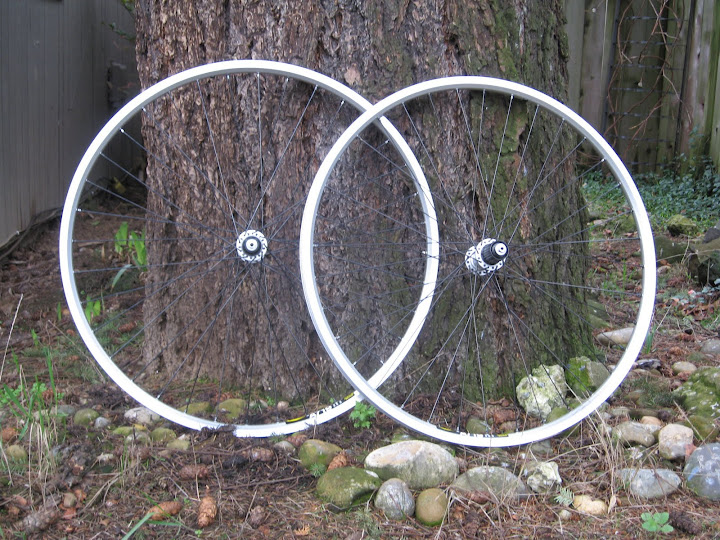
my first wheelset
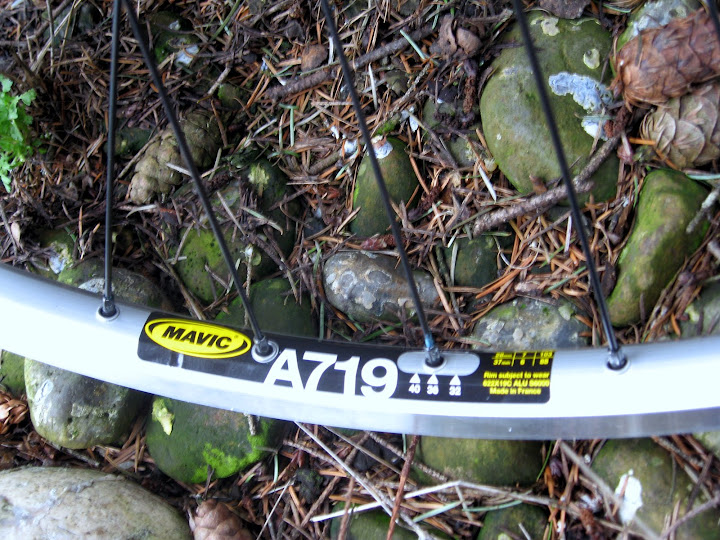
Mavic A719
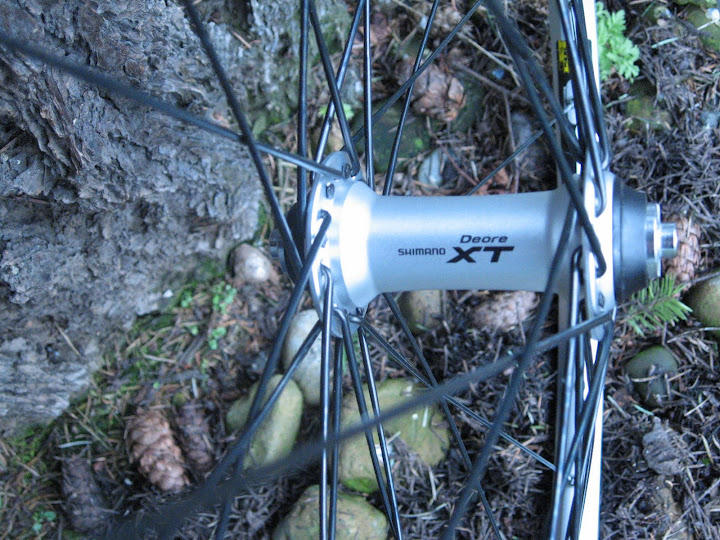
Shimano Deore XT
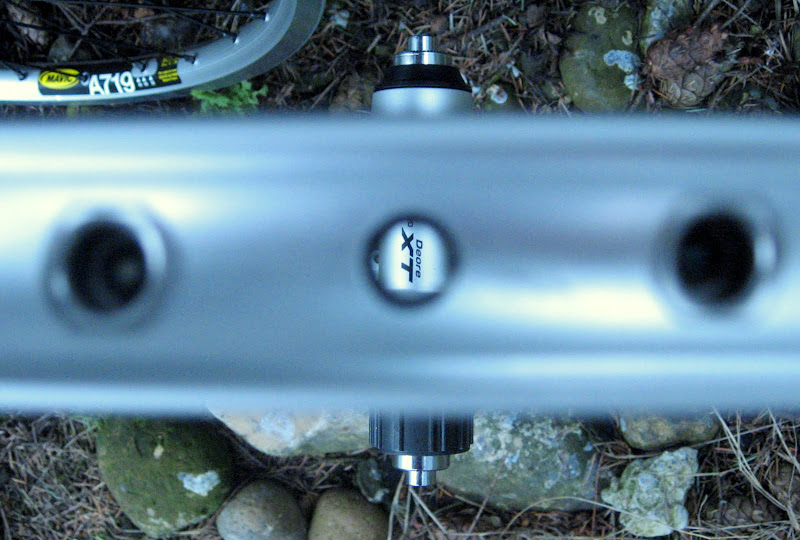
fancy shot
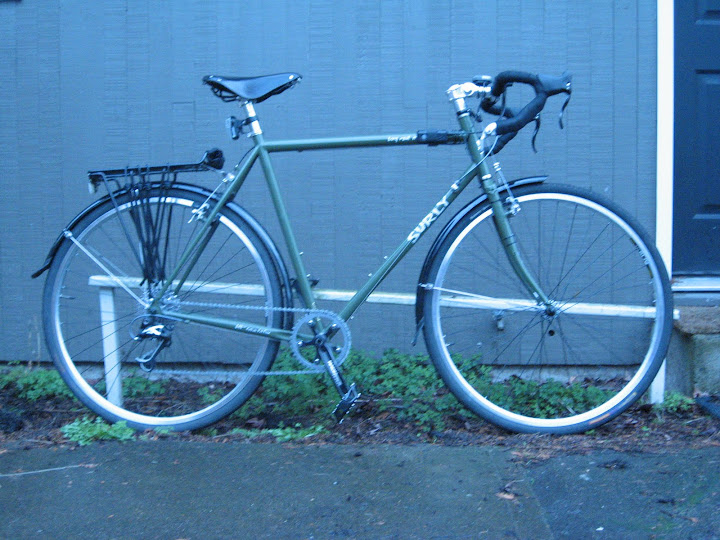
current build
I just got word that Artcrank is coming to Portland this year — October 1, 2009.
For those of you unfamiliar with Artcrank, it’s “a Poster Show for Bike People”. The show, hosted by One On One Bike Studio, began in Minneapolis in 2007 and has now spread to Denver, Portland, San Francisco, and St Louis.
Here’s a glimpse of the 2008 show — music by Keston and Westdal:

The table is finished (mostly). I finally got it all sanded and then we decided to use Tung Oil as the finish. It brings out the color and contrast of the wood without darkening it too much. It looks pretty awesome. I just put on the second coat yesterday so there’s still a bit of gloss to the finish, but it should dull out a bit more when it’s full dry. We’re totally in love with this table. Here are a few before and after pictures…
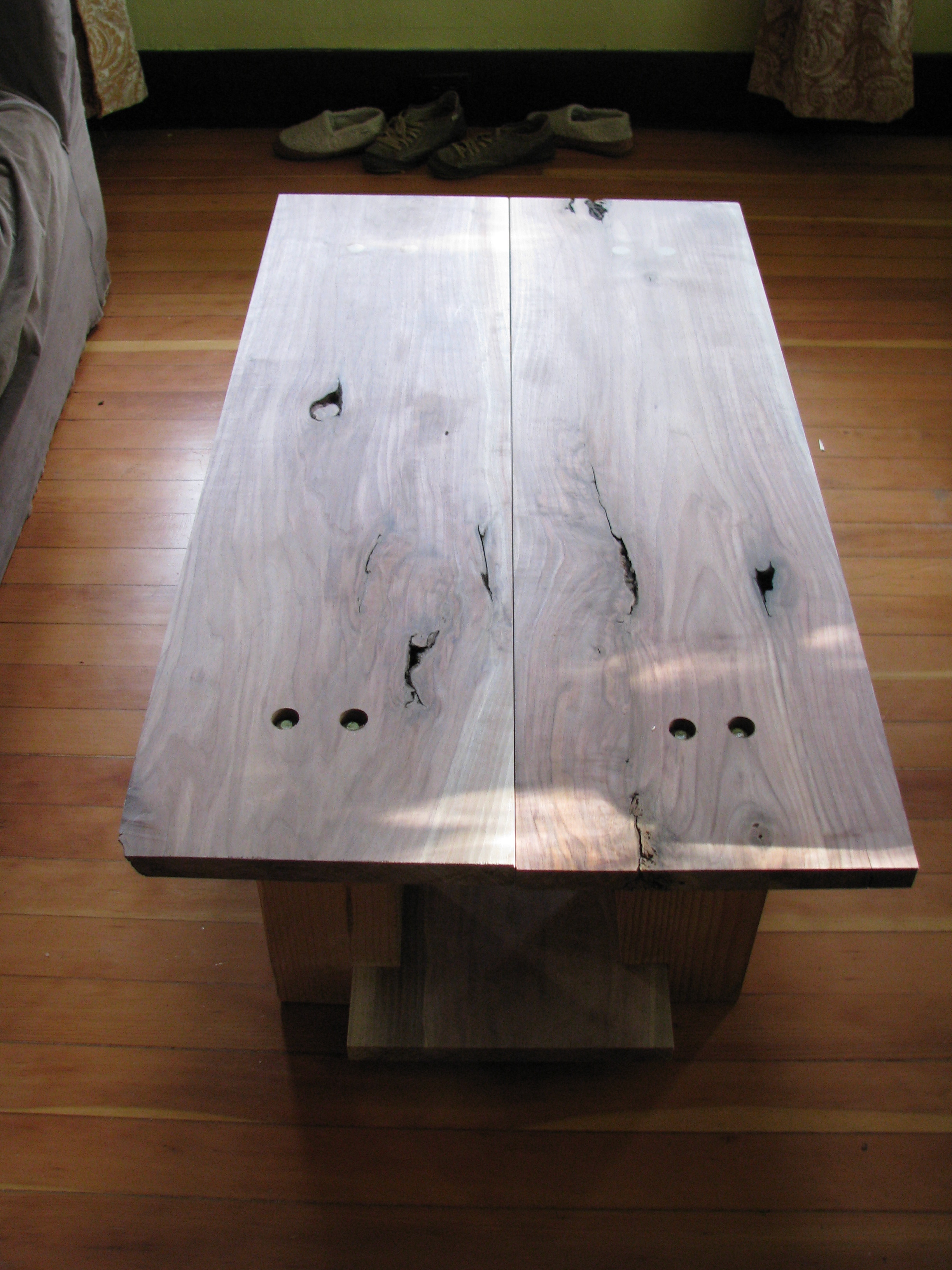
Before...
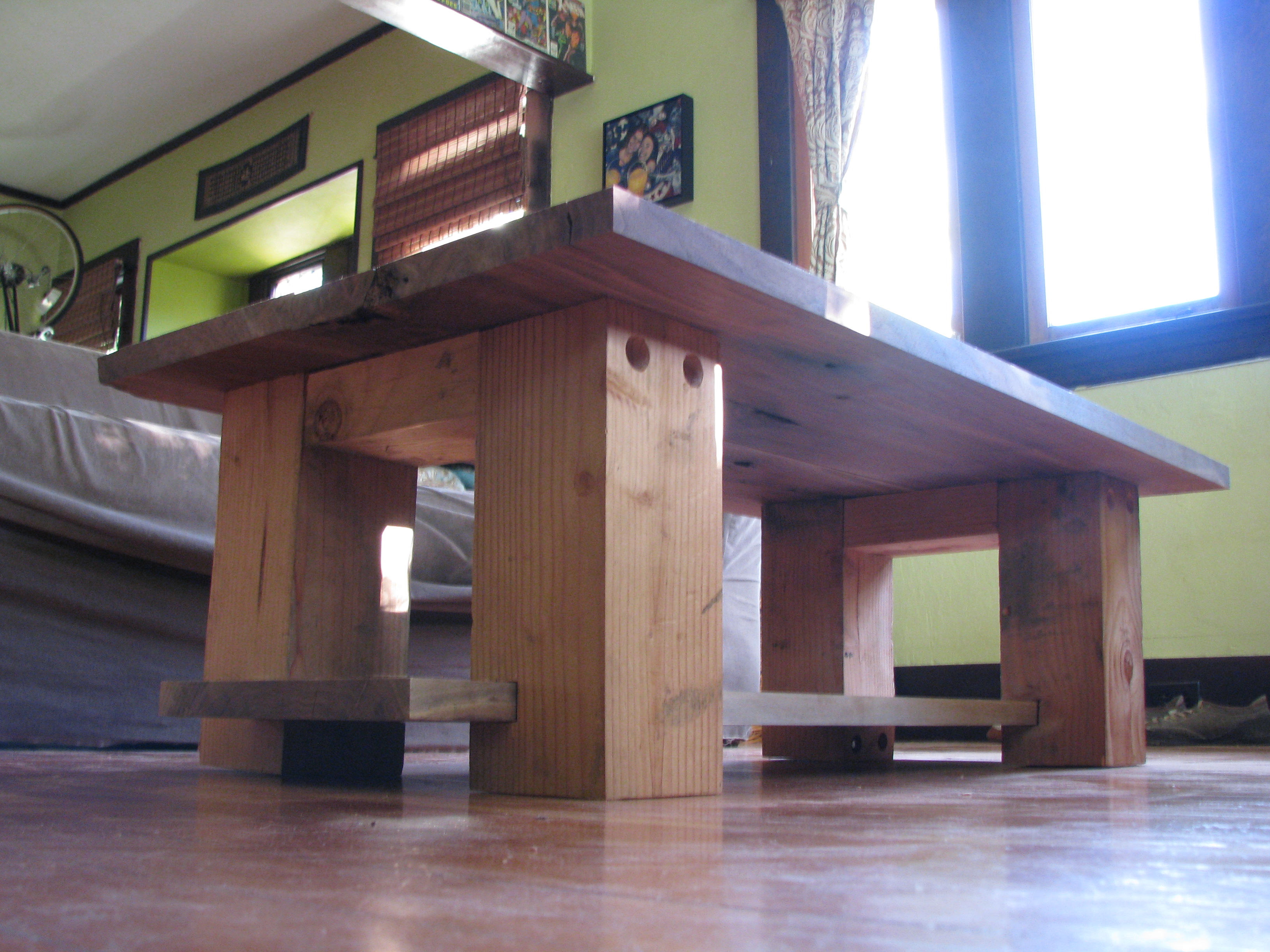
Before...
And with the Tung Oil…
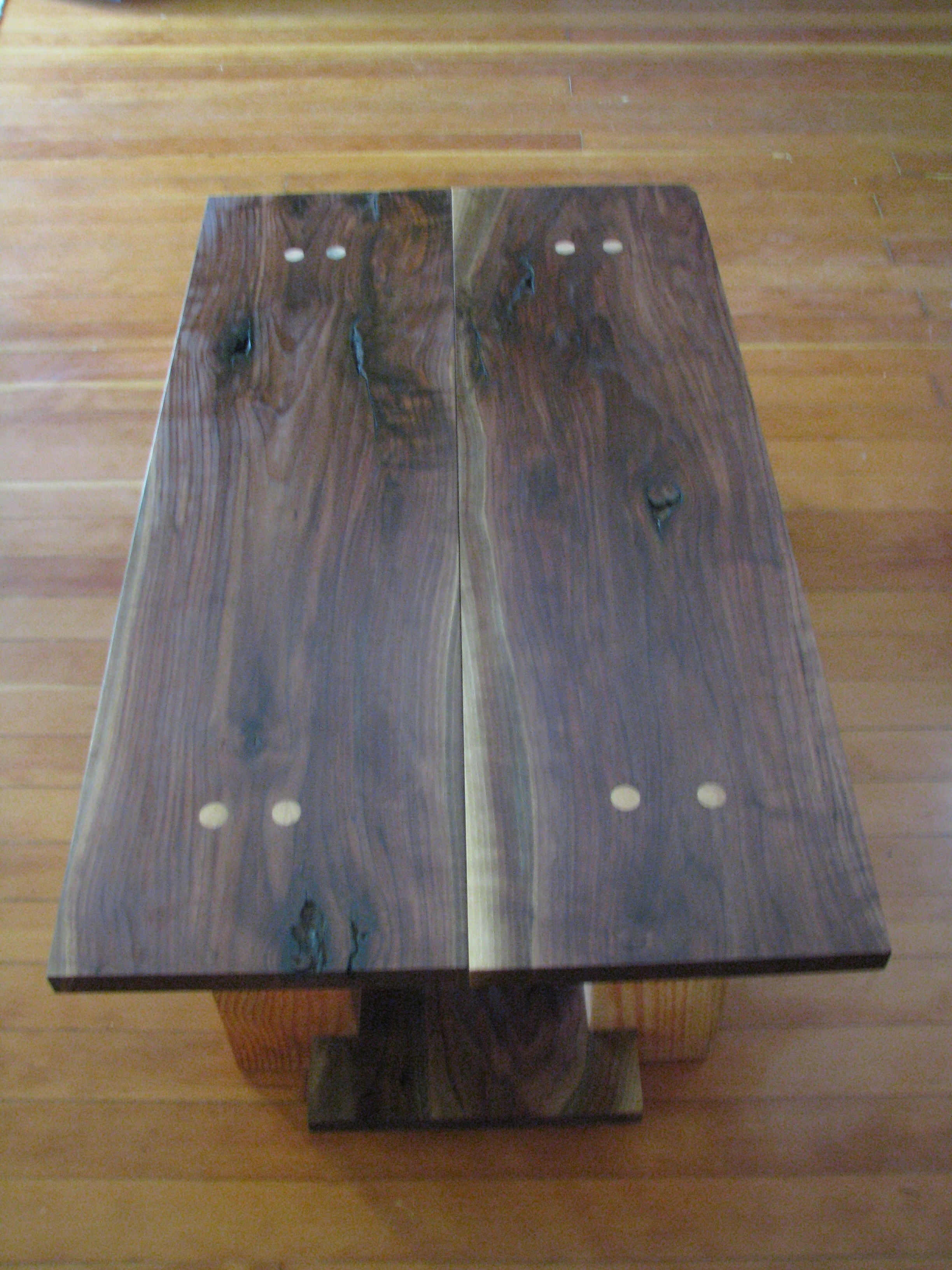
Finished.
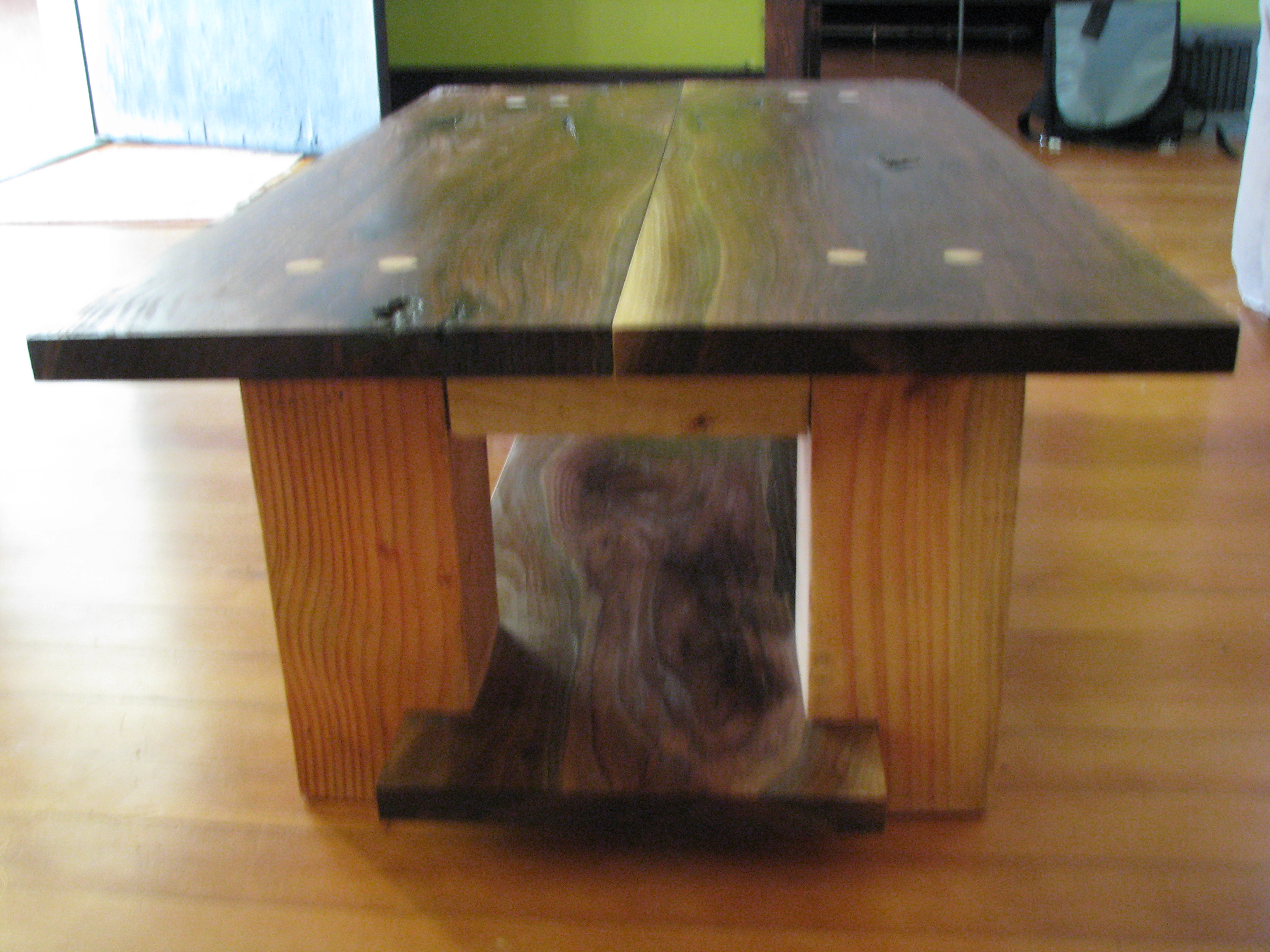
Finished.

Finished.
This week we finally got our Black Walnut planned out so we could begin working on building the coffee table. So far I think I’ve got about 8-10 hours in on it. I finished working on it last night at about 10pm and I’m pretty sure my hands haven’t hurt that much in long time. They’re still pretty soar. It’s coming along quite nicely though. All the major stuff (the legs) is done now. I don’t have a lot of the tools that would make the job a lot easier so I’ve been making due what what I’ve got. Pretty much have just used a handsaw, chisel, hammer, drill and dremel so far. A table-saw would be well appreciated at this point, but then again I’m past all the stuff that would require one.

A few more tools would be nice.
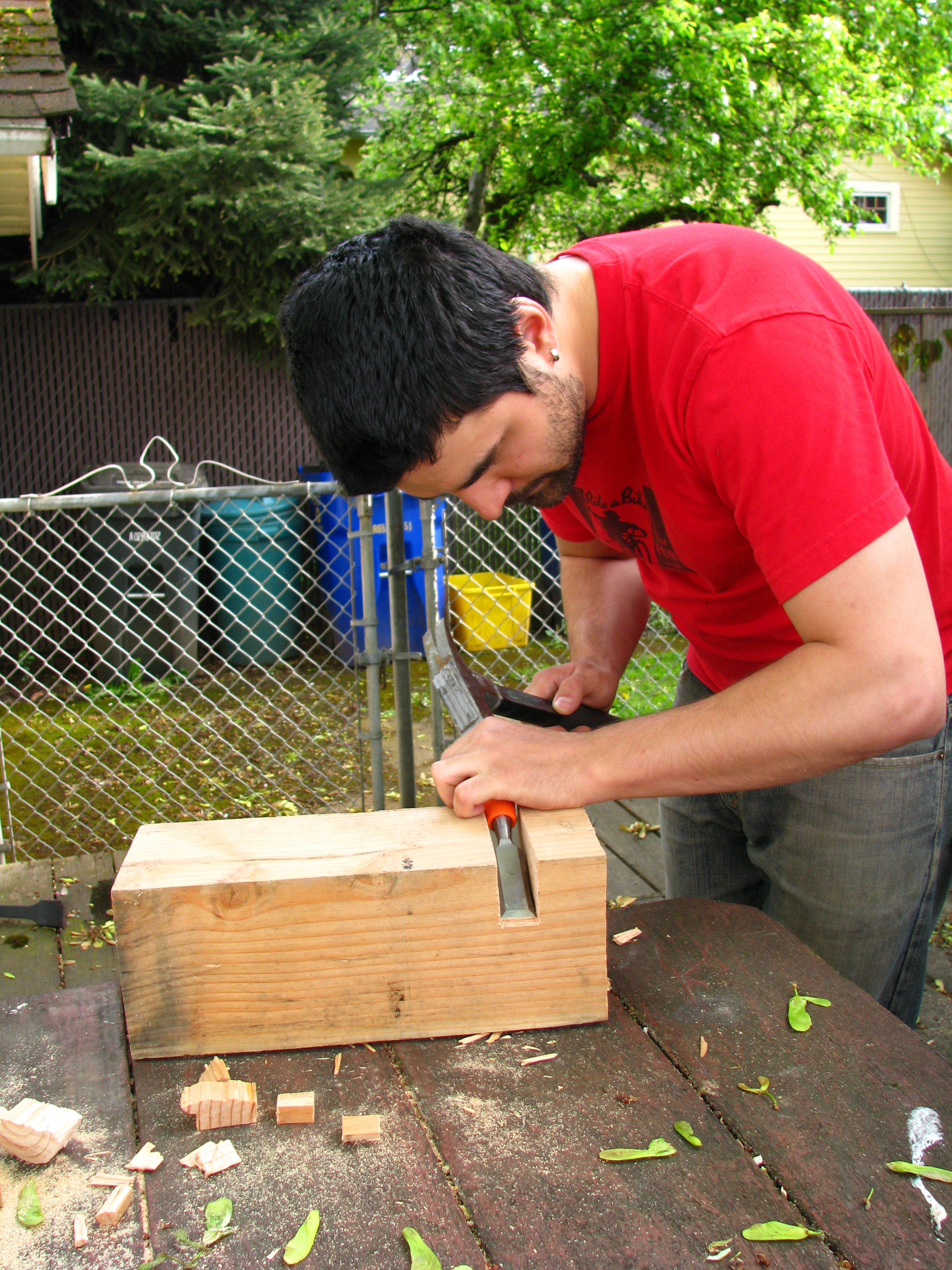
Chisel, chisel, chisel.
Thus far, I’ve only had one mishap. I’m cutting notches out of the legs to fit around a shelf under the table. Getting a tight fit has been the most difficult part of the process because I have to cut the notch with the handsaw, chisel the wood out and then fine tune the notch with the dremel or sandpaper. On one of the legs I think I tried to force it a little to much and put a crack in the foot of the leg. I didn’t think it was a very big crack, but when I tried putting the table up on it’s site the piece broke off. Not a huge setback. I glued the piece back on with Gorilla Glue and fastened it with a couple of screws. It should hold and probably makes the foot a bit stronger than otherwise.
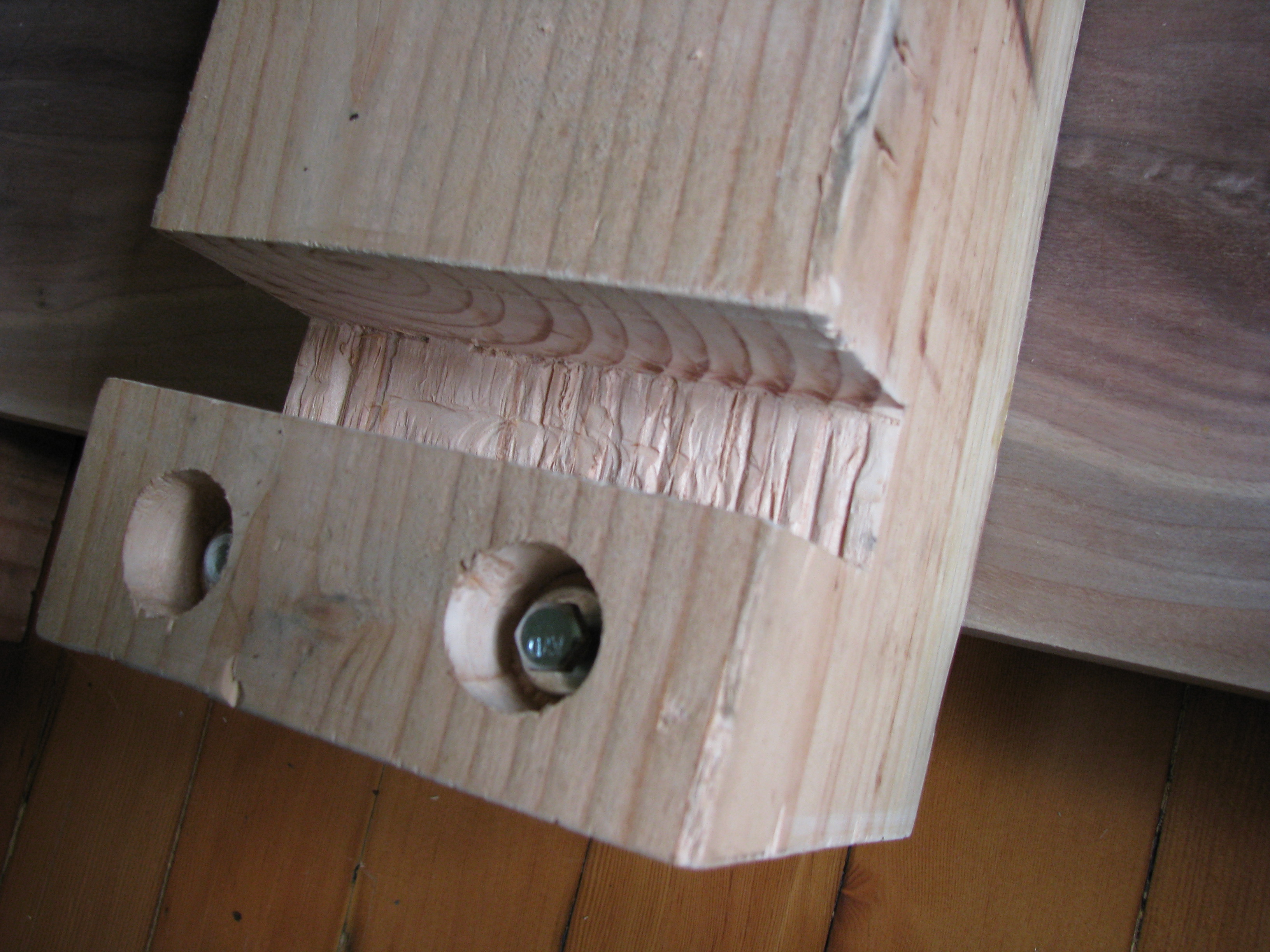
Oops.
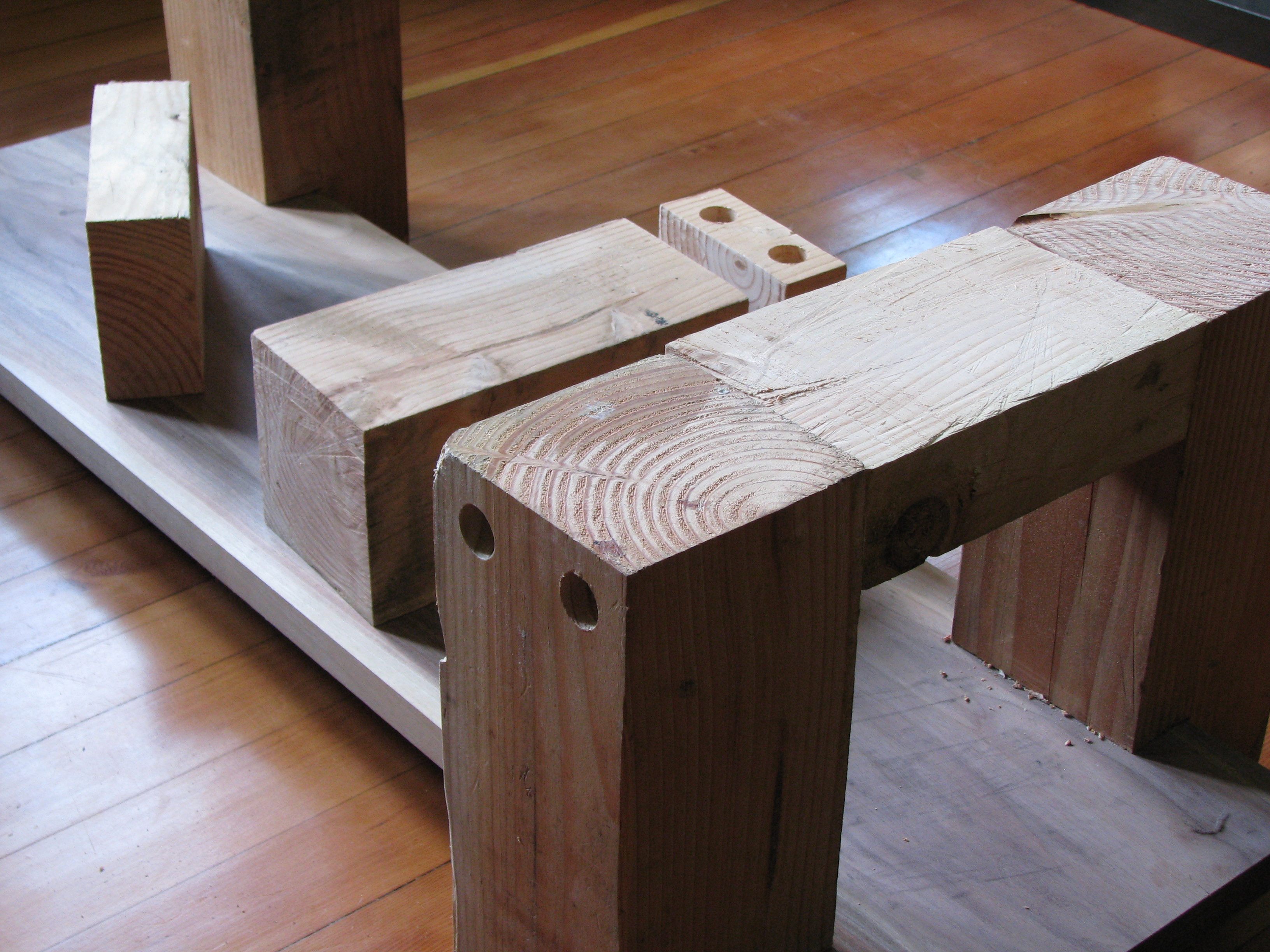
Progress thus far.
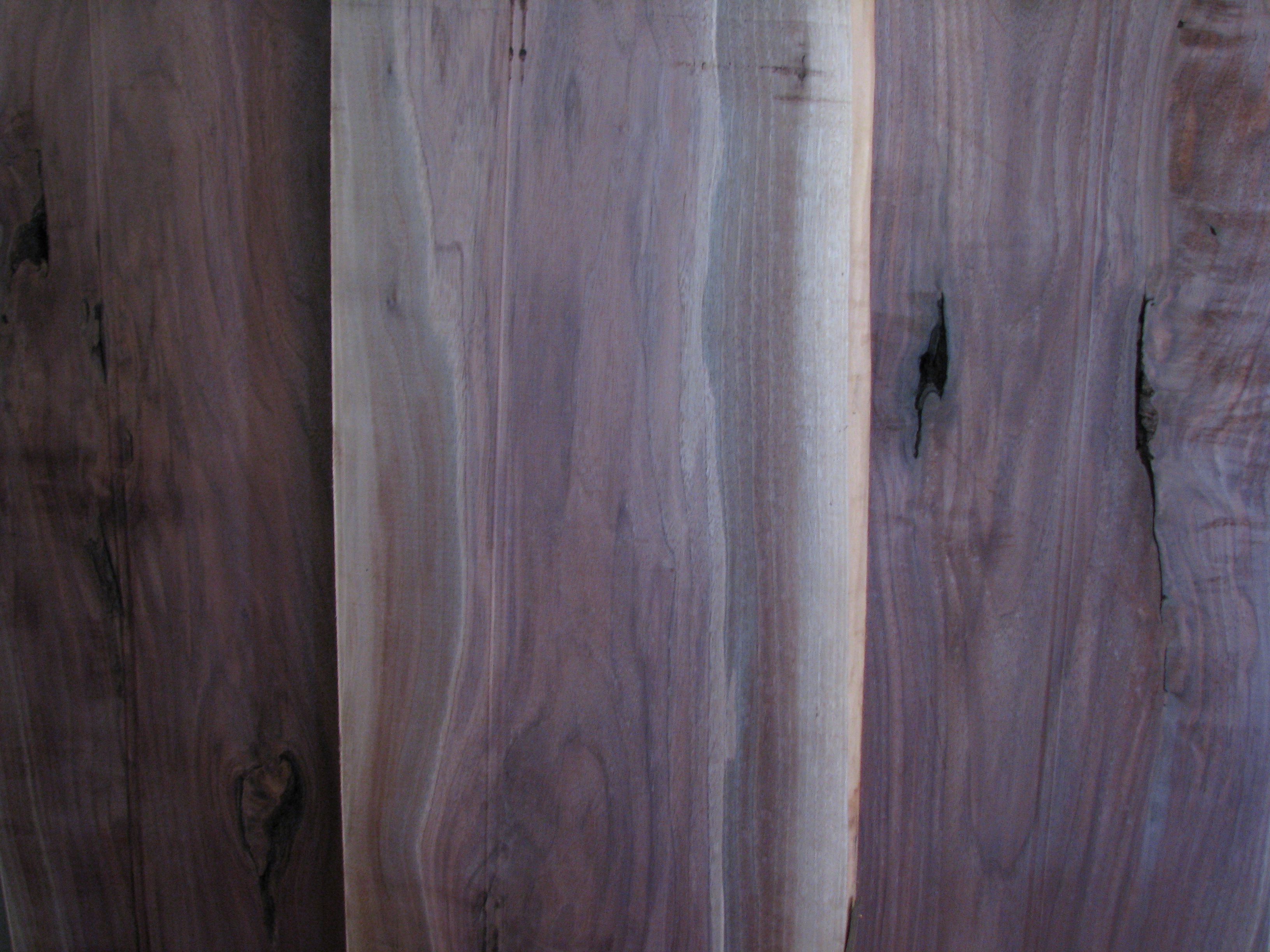
Balck Walnut
So we’re building a coffee table. We’ve been needing a coffee table for some time now. We’ve talked about building one for a while but haven’t really looked too much into it because of costs. Instead we’ve been keeping our eyes open at garage sales and antique stores with no luck… until this weekend. We stopped into a small antique-type furniture store while scouring the city for garage sales and found this amazing wood coffee table that was damn near exactly what we’ve been looking for. Only problem? Too expensive. So in true Dan and Laura fashion this spawned a whole new quest for the day without really discussing or giving much thought to the idea: let’s build a table. Not like it’s a bad idea, but before we knew it we were searching around for lumber yards all over town and trying to get the wood of our coffee table dreams within a reasonable price.
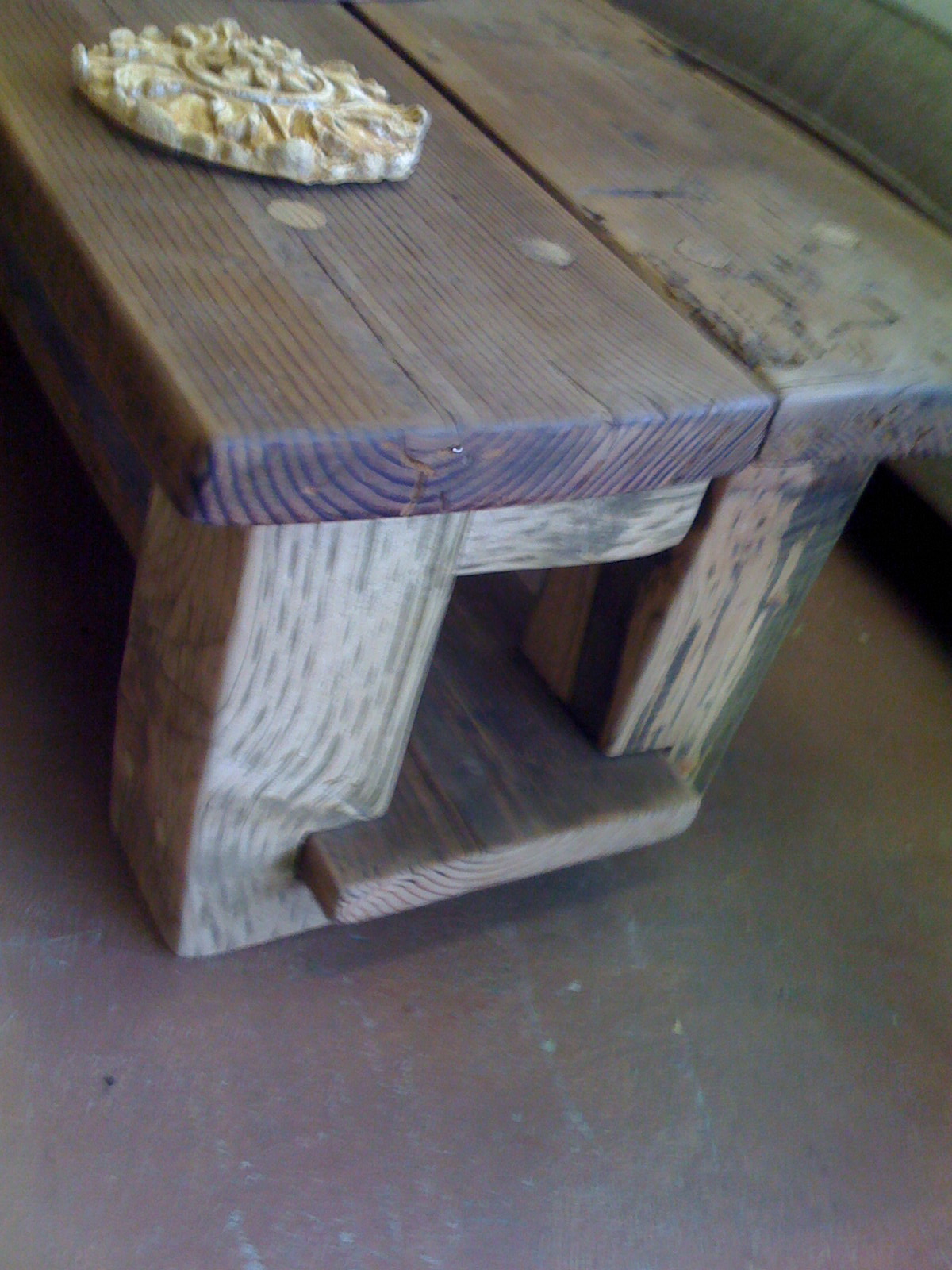
The Inspiration
We have a basic design in mind and have a pretty damn good idea of how we’re going to build the table, but finding the correct lumber turned out to be more difficult than we’d anticipated. We called a few friends and did some searching around online and found a few places that looked like promising candidates for lumber. The first place was The Rebuilding Center, a truly awesome and true to Portland form warehouse with tons and tons of old used lumber. Mostly doors and window frames, but also a hole lot of 2x4s and spare lumber everywhere. This is where we got our legs. We had a pretty good idea of what we were looking for, which were some thick 6×6 pieces of hardwood to make the legs from. Luckily we were able to find some more moderately priced pieces that will work quite well. I’m not exactly sure what kind of wood it is, but we’re thinking Cedar. The important part is that they’ll make great big heavy legs for our table.
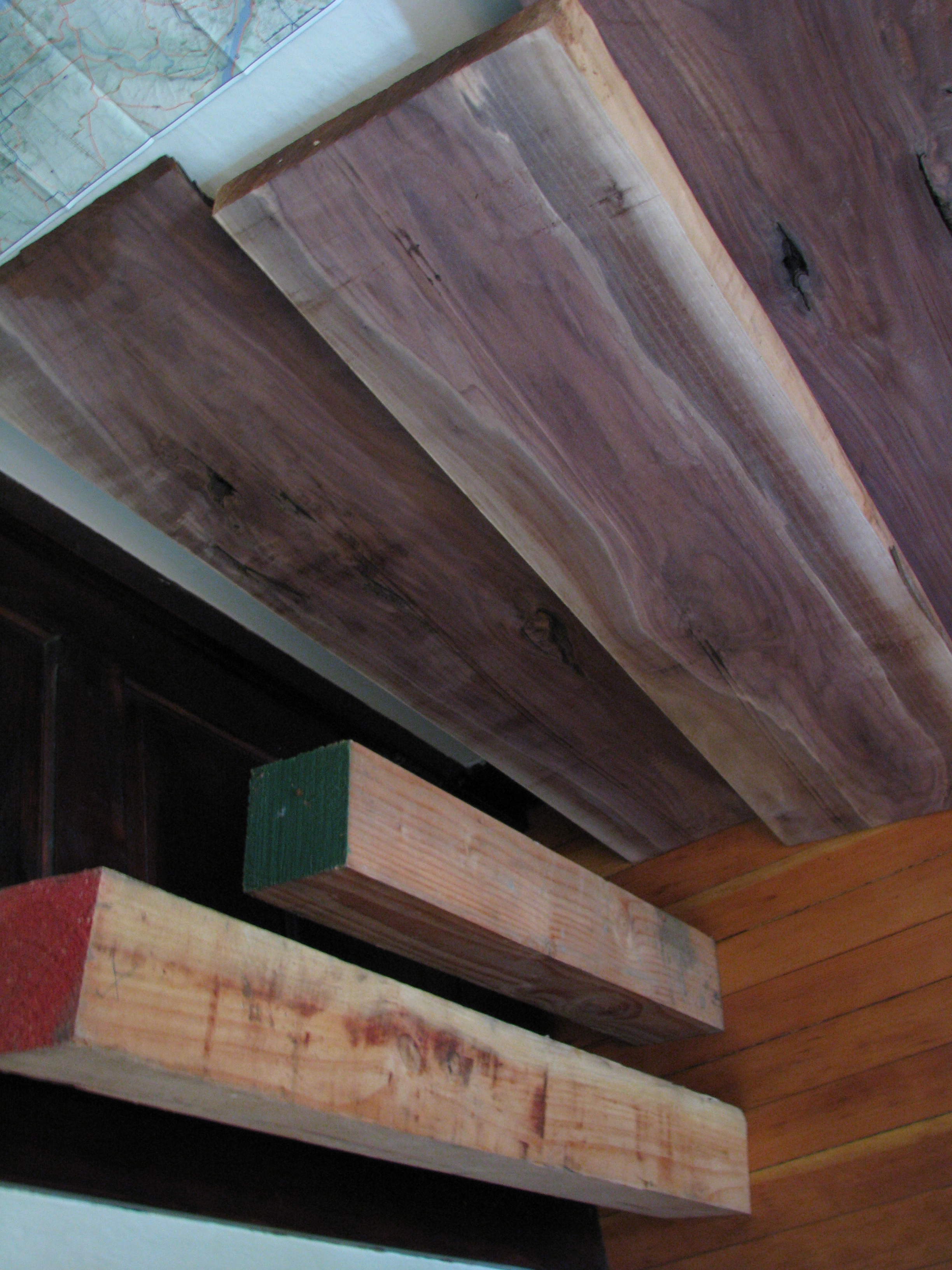
(bottom-left) 4' and 3' 6x6 Legs
(top-right) 2x14 slabs for the top of the table
Today was the real big treat though. Laura found this place online that’s just outside of the city in the burbs. This guy built his own wood kiln and has been collecting lumber from all around Portland and selling it out of his house. He’ll find someone (on Craig’s List for instance) trying to get rid of an old tree somewhere around town, send his guys to collect the wood and then mill it, air dry it in his back yard, and finally “cook” it in his kiln for three months to fully dry out the wood and then prepare and sell it off to folks like us. He had a ton of really gorgeous wood there. Probably more impressive that there were so many more natural cuts of wood there. Most of it was like a cross section of the tree. Really neat guy.
We told him what were were doing and around the sizes we were looking for and he found three pieces that were really perfect for us. The wood had a bit of a twist in it so he planed them for us as well as he could — there’s a slight twist in the boards yet; hopefully we’ll be able to get away with not having to correct them. He also gave us a bunch of tips and ideas for finishes. And the pieces of wood he gave us are really spectacular. I really think it’s going to add that extra piece of character that’ll turn this project from something fun and something we like, to something we truly love. I’ve still have to make a trip to the hardware store to get some tools and hardware to put the thing together, but the important stuff is in our hands, which feels great. The table’s going to be a real beast when were done with it. I honestly wouldn’t be surprised if all the wood weighed 80-100 lbs. As a reference, the leg with the red paint in the picture is about 48″ tall. It’s really going to be a beautiful project and we’re pretty damn excited to get working on it.